
Young families
Rent, childcare and everyday costs don’t stop if one income does.
Cover can bridge the years until children are independent. Health insuranceBasic & supplementary, compared
 Life insuranceProtect your family and income
 Car insuranceLiability, partial or full casco
 Retirement & 3rd pillarTax-smart saving for later
 Travel insuranceCancellation and care abroad
 Home & liabilityContents and personal liability
 Legal protectionBe ready before a dispute starts
 Premium subsidiesCheck your cantonal subsidyPremium subsidy calculator Available soonFind out if your canton lowers your premiumHealth premium comparisonCompare premiums for your postcode
Life insurance pays a sum to your family, partner or co-borrower if you die. We help you find out whether you need it, how much and for how long, without a sales pitch.

 No health questions hereOnly later, if you decide to apply
If nobody depends on your income, you may not need it. If someone does, the question is how much and for how long.
Rent, childcare and everyday costs don’t stop if one income does.
Cover can bridge the years until children are independent.
A mortgage is often calculated on two incomes.
Cover can let the surviving partner keep the home.
AHV pays no widow’s or widower’s pension to unmarried partners. Pension fund benefits depend on the fund’s rules.
Cover can protect a partner the law doesn’t.
Without a pension fund, protection for your family is often thin. Business partners may depend on each other too.
Cover can secure family and business.Choose a type to see how the cover develops over the years.
If you die during the agreed term, your family receives the agreed sum. If you don’t, the policy simply ends. That’s why it is usually the cheapest way to protect a family.
Choose a type to see how the cover develops over the years.
If you die during the agreed term, your family receives the agreed sum. If you don’t, the policy simply ends. That’s why it is usually the cheapest way to protect a family.
Choose a type to see how the cover develops over the years.
The sum insured goes down over the years, often in line with mortgage repayments. Because the risk falls, the premium is usually lower than for level cover.
Choose a type to see how the cover develops over the years.
Part of the premium protects your family, part builds up savings, often within pillar 3a or 3b. You get a lump sum at the end, but you commit to premiums for many years.
Online rules of thumb ignore what you already have. We start from your real situation.
What would need paying off?The mortgage, loans and other commitments your family would face. For how long would they need support?For example until your youngest child finishes education.
 What is already in place?AHV and pension fund benefits for spouses and children, and existing policies. We only cover the gap.
Life insurance is private insurance. When you apply, the insurer asks about your health and may adjust the premium, exclude certain risks or decline. Our first conversation asks nothing about your health. If you decide to apply, we explain the questions before you answer them.
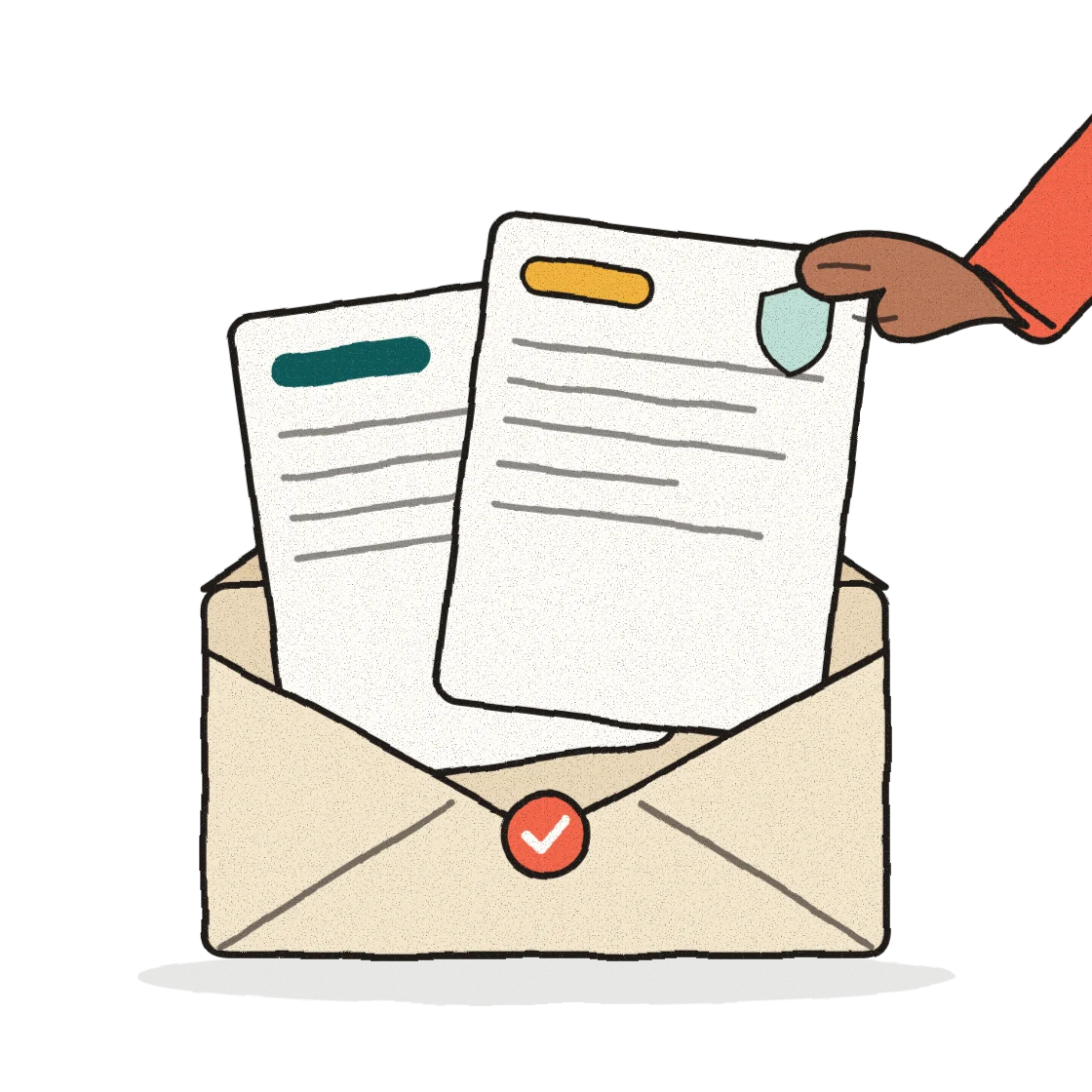 Tell us who you want to protectA few questions, about 2 minutes. No health questions.
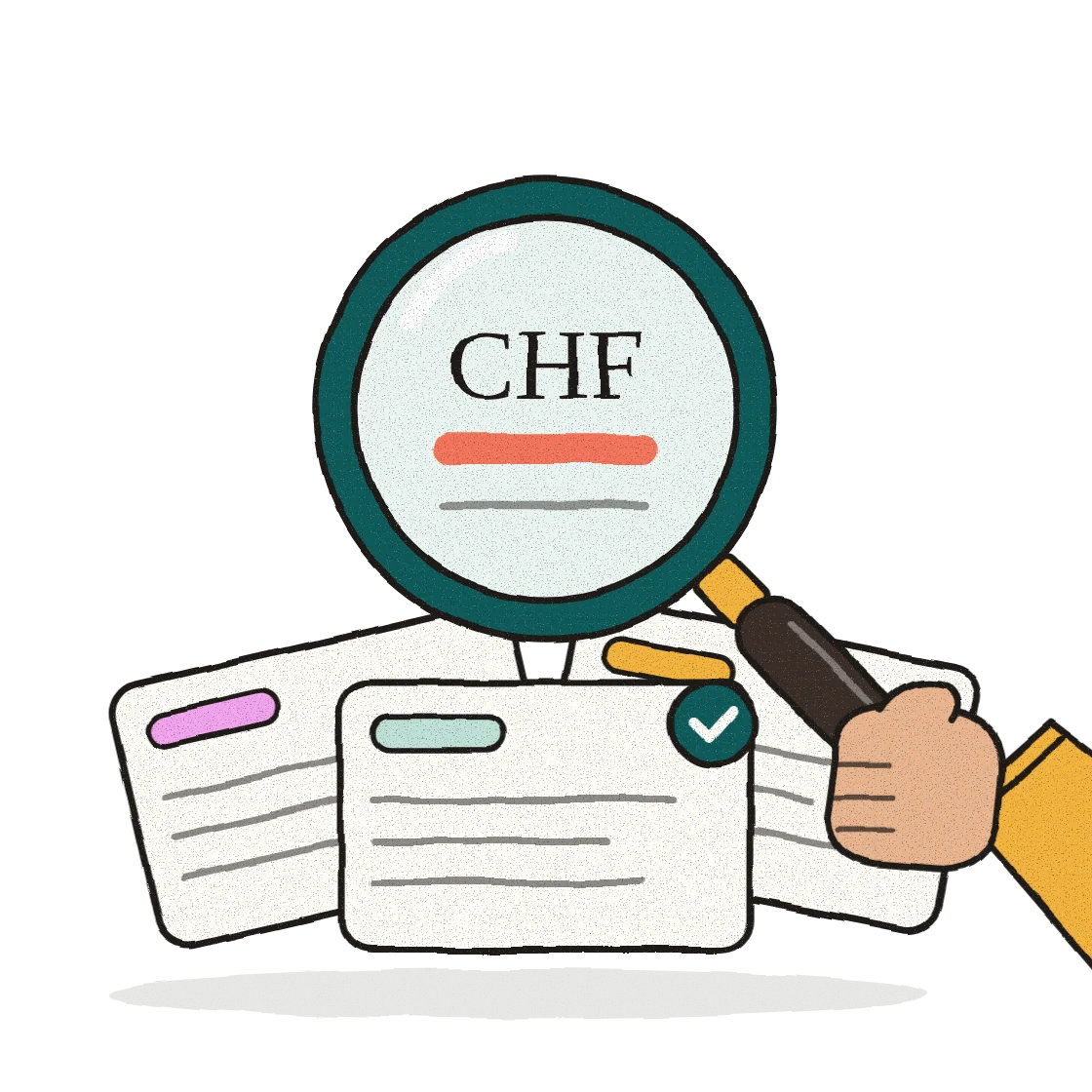 We look at the gapWhat your pension fund and AHV already pay, and what’s missing.
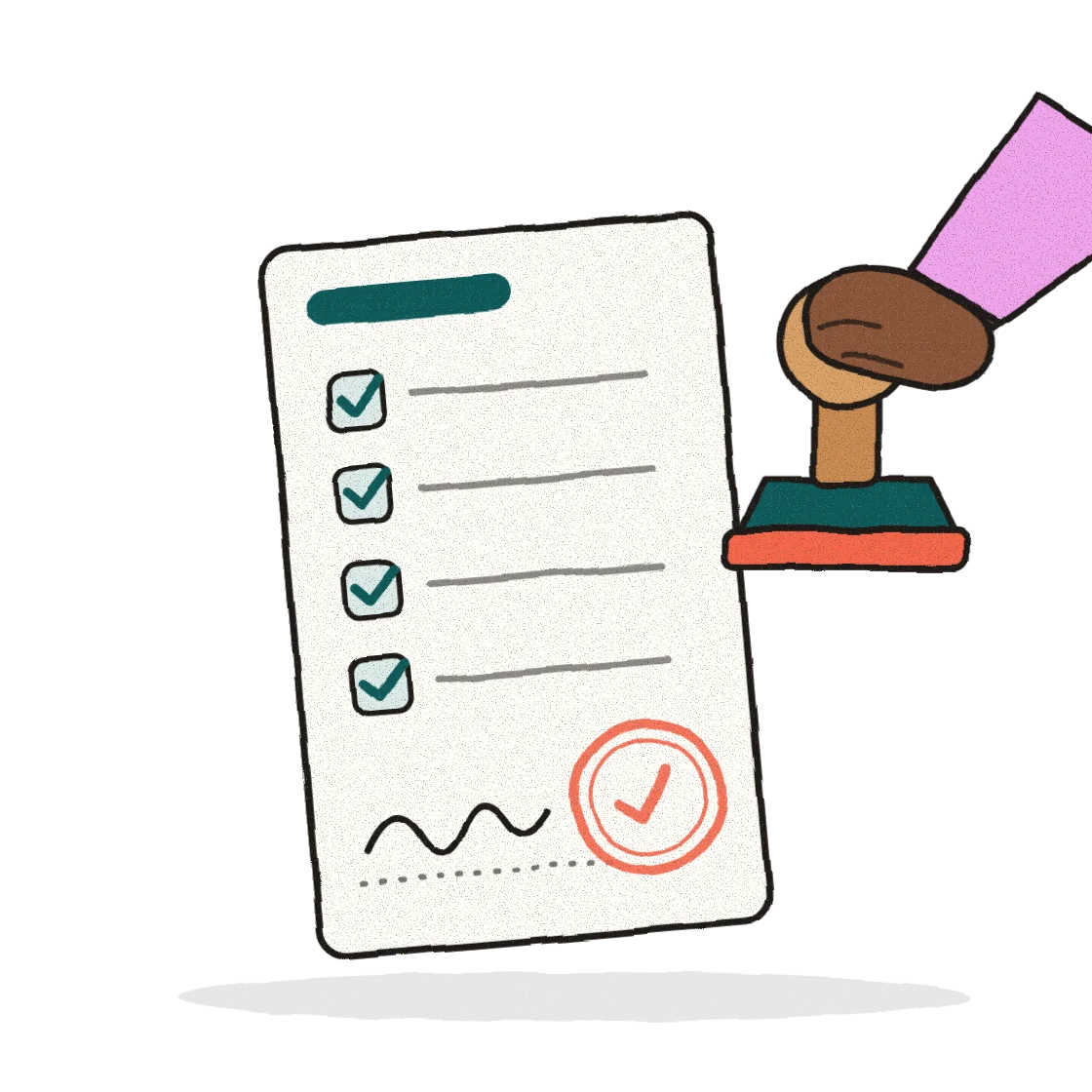 You decide if and when to applyOnly then does the insurer ask health questions. We prepare you.
Often not. Life insurance is for people who would be affected financially if you died. If that’s nobody, we’ll tell you.
Pension funds often pay benefits to spouses and children, sometimes also to partners. The amounts depend on your fund’s rules. We read your pension certificate with you and look at the gap.
Pure protection pays a sum if you die during the term, and is usually the cheaper way to protect a family. Policies with savings build up capital too, but tie you to a long contract. We show you both.
Yes. Life insurance is private insurance. Insurers ask health questions and can adjust the premium, exclude risks or decline an application.
Yes. Decreasing term life insurance is often used so the surviving partner can keep the home. Some lenders ask for it.
The first conversation is free. We explain how we are paid before you decide anything.
Two minutes. No health questions. A person reads every request.